People in the UK are already talking a lot about the possibility of the Personal Tax Allowance going up from £12,570 to £20,000. For millions of workers, retirees, and self-employed people, this change would have a big effect on how much money is taxed each year and how much money you keep.
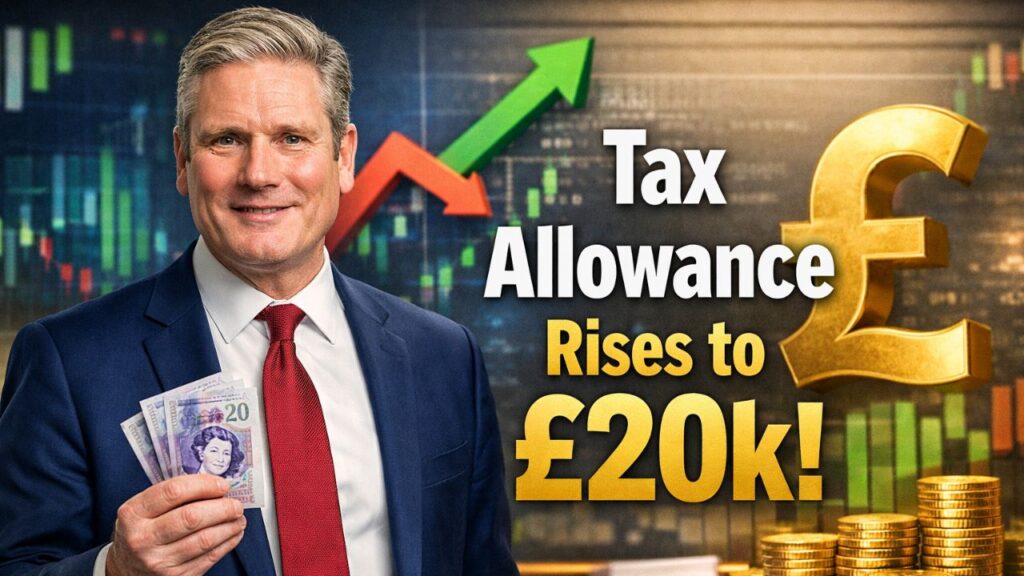
The Personal Allowance is currently £12,570. This is the most money you can make without having to pay income tax. If plans to raise it to £20,000 go through, it would have a big effect on the economy.

But what would this mean in real life? Who would get the most out of it? Would everyone benefit equally? Is this a confirmed policy or just a suggestion that is being looked at?

This is a clear, useful guide to what the change could mean for families in the UK.
What is the Personal Tax Deduction?
The Personal Allowance is the amount of money you can make each year without having to pay income tax.
It applies to:
- Workers
- Workers who are self-employed
- People who get pensions
- People who work part-time
The current threshold of £12,570 has been the same for a few years, which means that more people have been paying taxes as their wages have gone up.
HM Revenue & Customs collects income tax, which only applies to earnings above the Personal Allowance.
Why it’s Important to Raise It to £20,000
If the amount went up from £12,570 to £20,000, £7,430 more would be tax-free.
If you pay 20% income tax and are in the basic rate, you could save up to £1,486 a year.
That’s not a small change; it’s a big increase in take-home pay.
The difference could make a big difference in the tax bill for someone who makes £25,000 a year.
Who Would Get the Most Out of It
The most money would go to:
- People who make little or no money
- People who work part-time
- Pensioners who don’t make a lot of money
- Households with two incomes
Higher earners would also benefit, though the savings would be proportionally smaller relative to total income.
People who make less than £12,570 already don’t have to pay income tax, so they wouldn’t get any more benefits unless their income goes up above that level.
Effect on Paycheck
Let’s look at a simple case.
If you make £30,000 right now:
If you get a £12,570 allowance, you have to pay tax on £17,430.
If you had a £20,000 allowance, only £10,000 would be taxed.
That could mean paying about £1,486 less in income tax each year at the basic 20% rate.
For a lot of families, that’s enough to pay for groceries or energy bills for a few months.
What about People Who Are Retired?
The State Pension is money that you have to pay taxes on.
If the Personal Allowance went up to £20,000, a lot of pensioners with small private pensions might not have to pay income tax at all.
This would be very helpful for retirees whose total income is just above the £12,570 limit right now.
For people who only get the State Pension, taxes may already be low or nonexistent. But people who have other sources of income could save a lot of money.
Why the Threshold Has Been Stopped
In the last few years, the Personal Allowance has stayed the same instead of going up with inflation.
This policy, which is sometimes called “fiscaldrag,” means that more people pay taxes even if rates don’t change when wages go up.
If you raised the limit to £20,000, some of that effect would go away.
But this big of an increase would be very bad for the government’s finances.
How Much It Would Cost the Treasury
If the amount went up to £20,000, income tax revenue would drop by billions of pounds every year.
The decision would be made by HM Treasury during a Budget announcement.
To pay for such a move, it would probably need:
- Cutting back on spending in other areas
- More borrowing
- Changes to other tax levels
Most of the time, big tax changes don’t happen on their own.
Could National Insurance Also Change?
National Insurance and income tax are two different systems.
Even if the Personal Allowance goes up to £20,000, the National Insurance thresholds may not automatically match.
So, depending on policy decisions, employees could still have to pay National Insurance on earnings below £20,000.
When figuring out how much money you will take home, it’s important to know the difference.
How It Affects People Who Work for Themselves
A higher Personal Allowance would also help people who work for themselves.
If profits drop below £20,000, the amount of income tax owed could go down a lot.
But you may still have to pay Class 4 National Insurance contributions.
As always, your tax obligations depend on how much taxable profit you make.
How It Affects Universal Credit and Benefits
Higher take-home pay could slightly lower the amount of Universal Credit benefits you can get because of taper rules.
Most of the time, though, working claimants would still be better off financially.
Increasing the personal allowance usually gives people more money to spend.
Would People Who Make More Money Lose Out in Other Ways?
Some experts say that raising the Personal Allowance could go along with:
- Lower the thresholds for higher rates
- Tax on dividends that has been changed
- Changes to the tax on capital gains
These kinds of balancing measures are common in tax reform.
These are still policy options, not guarantees, until they are made law.
How It Affects Families and Couples
The higher allowance could have a big effect if both people in the household benefit from it.
Two people who make the basic rate could save almost £3,000 a year together.
That kind of rise could:
- Increase savings
- Pay off debt
- Pay for childcare costs
- Make your long-term financial situation better
Is This a Confirmed Policy?
As of now, the proposal to raise the allowance to £20,000 is still being talked about and has not yet become law.
During official Budget announcements, tax thresholds are set.
The current allowance of £12,570 will stay in place until a law is passed.
What You Should Do Right Now
If the allowance goes up:
- Look at your tax code.
- Look over your pay stub.
- Make sure your employer has made the changes.
- Change your plans for budgeting.
If you work for yourself, make sure your tax estimates are up to date.
Being proactive makes sure you get the full benefit.
Political and Economic Discourse
Supporters say that raising the Personal Allowance:
- Rewards work
- Helps people with low incomes
- Makes taxes easier
Critics say that:
- It lowers the amount of money the government gets.
- Could help higher earners more than others.
- May necessitate reductions in expenditures elsewhere.
It has trade-offs, just like all tax policies.
Long-Term Effects
If it happens, a £20,000 allowance would be one of the biggest changes to taxes in the last few decades.
It might:
- Lower the number of people who pay taxes on their income
- Raise disposable income
- Change the reasons people work
But the economy and public finances would have to be good for sustainability to happen.
Questions That Come Up a Lot
Would everyone save £1,486?
Only basic-rate taxpayers who made more than £20,000 would get the full savings.
Do retirees get anything out of it?
Yes, if your total income is higher than the current limit.
Is this happening right now?
No, changes need to be approved by the Budget.
Will the cost of National Insurance go up too?
Not automatically; different choices apply.
Important Things to Keep in Mind
- The current amount is £12,570.
- A rise to £20,000 would cut taxes by a lot.
- You could save almost £1,500 a year.
- Income tax and National Insurance are two different things.
- There hasn’t been any formal law passed yet.
Last Thoughts
People all over the UK are understandably interested in the idea of raising the Personal Tax Allowance from £12,570 to £20,000.
Such a change would mean a big increase in take-home pay for both workers and retirees. The proposal isn’t set in stone yet, but it shows that there is still a lot of debate about how to strike a balance between tax fairness and fiscal responsibility.
If it happens, the change could make life easier for millions of families, especially those with low incomes.
A formal Budget statement will always be the official word. The best thing you can do until then is to stay informed and learn how tax thresholds affect your own finances.